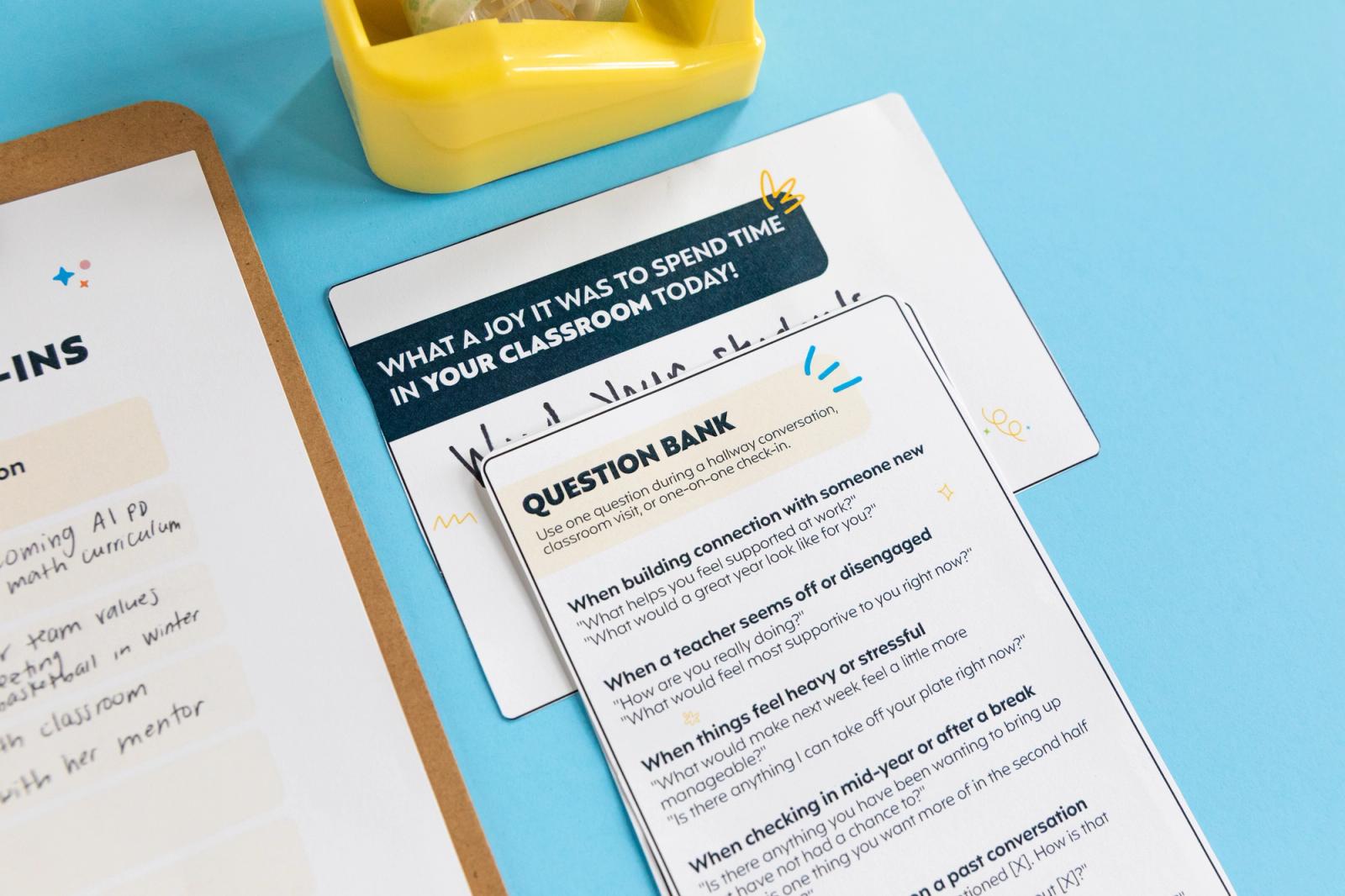
Classroom Walkthrough Tips for School Leaders
A guide to making quick, 5-10 minute classroom walkthroughs count.
5-10 min
A guide to help school leaders make meetings more purposeful and productive.
Six practical habits that help school leaders run staff meetings that are focused, productive, and worth everyone's time. From how you open to how you close, small shifts in facilitation make a big difference in what your team walks away with.
Why try it
Staff meetings set the tone for your school culture. When they run well, teachers leave feeling informed, respected, and clear on what comes next. When they don't, the same meeting that could have been an email quietly chips away at morale.
These six habits are simple enough to try in your very next meeting. They are about being intentional with the time you have together so that every meeting moves your school forward.
Browse the printables included with this resource.
Instructions
Open with the outcome
Tell your team exactly what you want to accomplish before anything else. Write the goal somewhere visible and keep it up the entire time so conversations stay focused and the close-out is easy.
Show what's at stake
When staff understand why a decision matters right now, they engage differently. Connect each agenda item to a real outcome: a student experience, a family deadline, a team need. Urgency does not have to feel heavy. It just has to feel real.
Redirect without shutting down
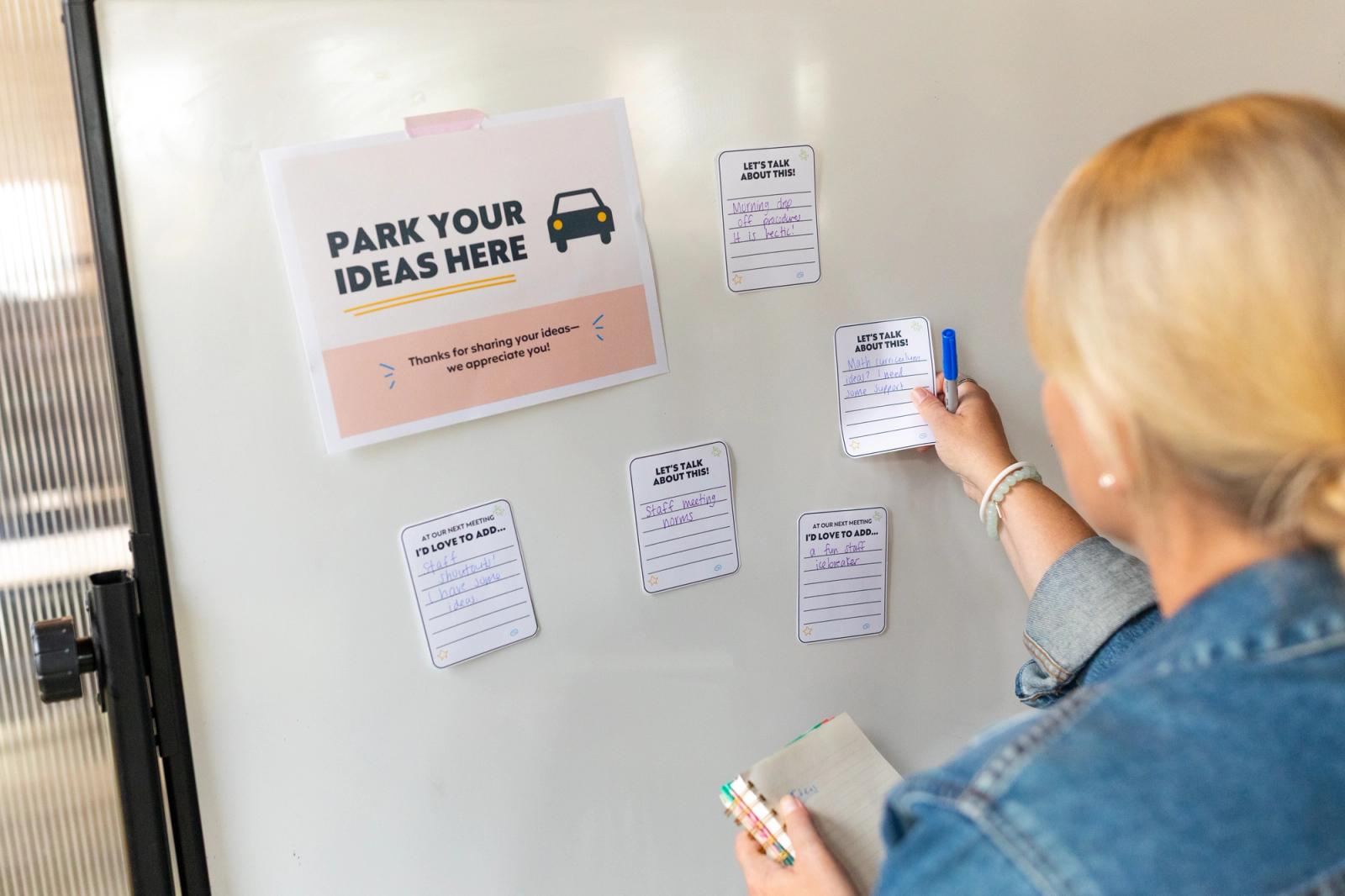
Side conversations and tangents are part of every meeting. A parking lot gives good ideas a place to land so the group keeps moving and no one feels dismissed. Try something like: "That's important. Let's park it and come back to it at our next leadership meeting."
Hand off like a TV anchor
When you bring in another speaker, give them a proper introduction. A quick preview of what they'll cover helps the room transition with you instead of lagging behind. It also shows respect for the presenter and the audience.
Use wayfinding throughout
Check in with your team as the meeting moves forward. Let them know where you are, what's been covered, and what's coming next. These small orientation moments keep everyone on the same page and make the meeting feel efficient rather than scattered.
Close with clarity
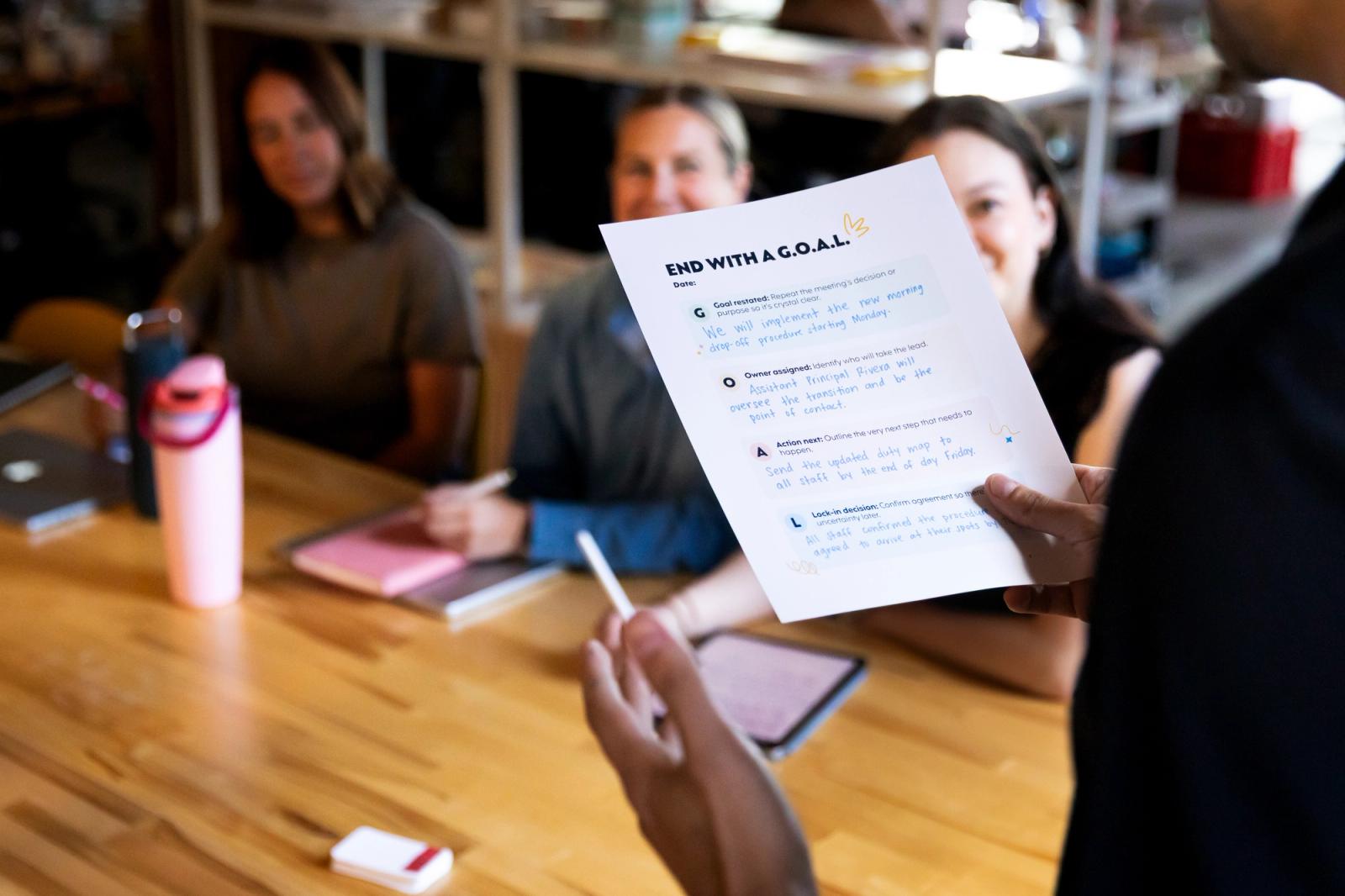
The last two minutes of a meeting matter more than most leaders realize. Before you dismiss, name the decision that was made, identify who owns each next step, and confirm the timeline. Use whichever printable fits your team best to make this a consistent habit.
Activity variations
Adapt to fit your school's vibe, budget, and setting.
Shared facilitation
Invite a teacher leader, instructional coach, or department head to facilitate one section of the meeting. Practicing these habits as a team builds a stronger meeting culture over time.
Meeting audit
After the meeting, take five minutes to reflect on what went well and what to tighten up.
Department-level rollout
Share the six habits with grade-level or department teams and invite them to use the same structure in their smaller meetings.
Go deeper
Additional tips for running this resource.
Leader Tip #1
Start on time, every time
It sets the tone and signals that everyone's time matters.
Leader Tip #2
Pick one habit to try first
You do not have to implement all six at once. Start with the one that addresses your biggest current challenge and build from there.
Built by Educators, for School Leaders
This resource was created in collaboration with passionate educators and school leaders who believe in the power of intentional connection.
Alissa Christensen
Head of Customer Success
Alpaca Pulse Check-In
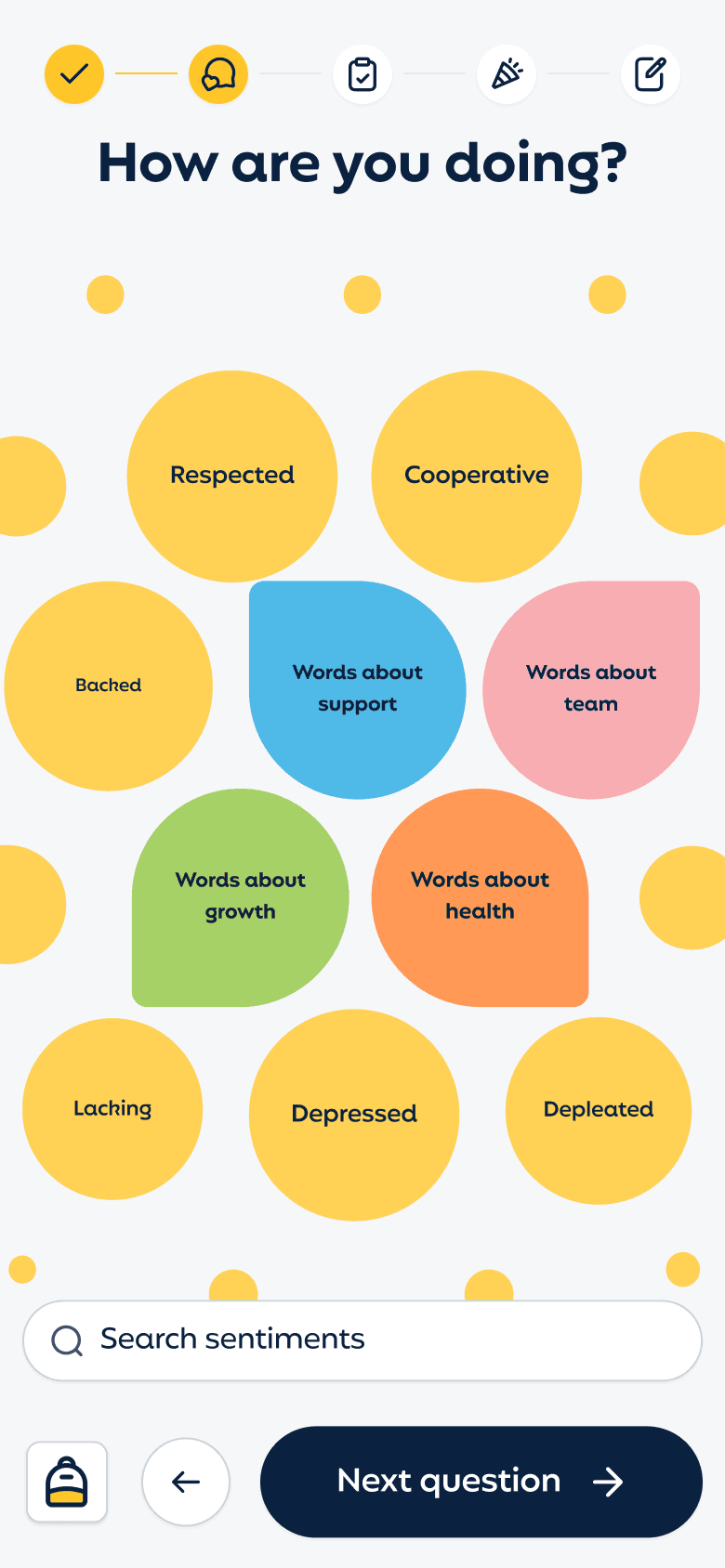
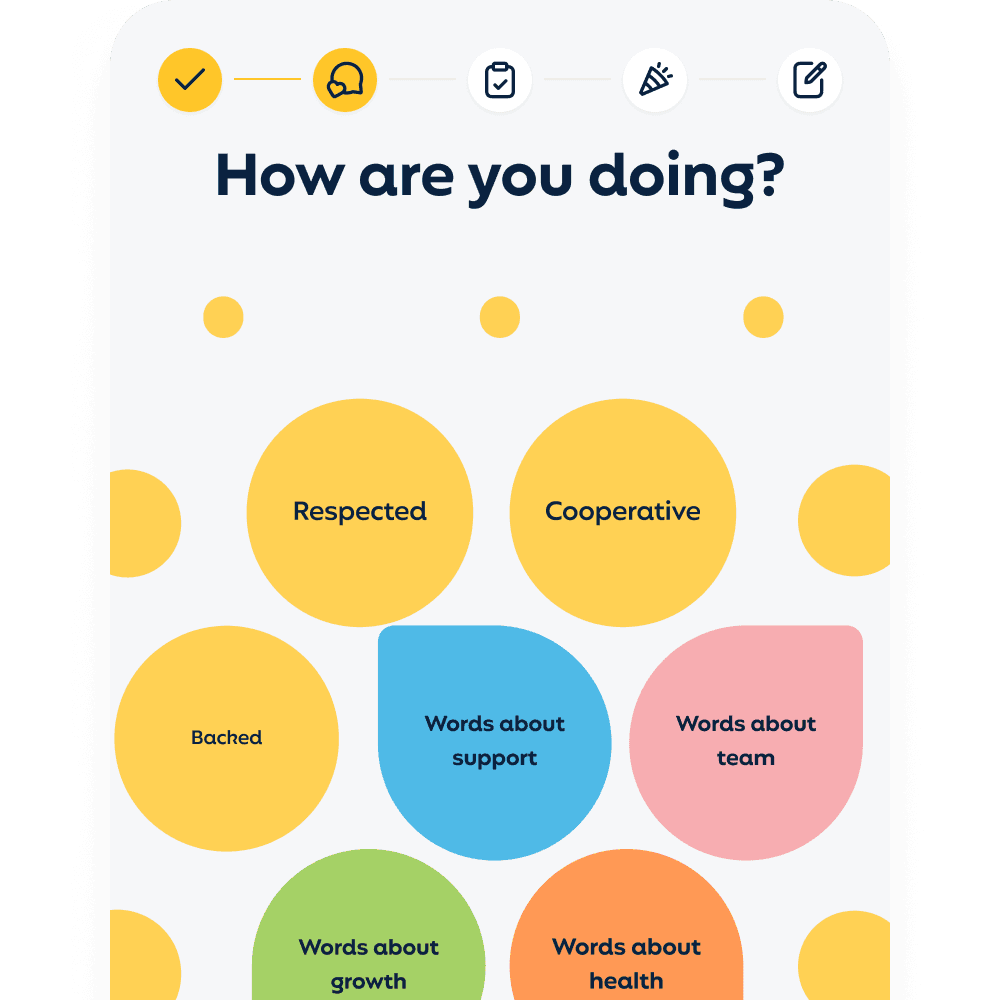
With just three simple questions, Alpaca's Pulse Check-In helps school leaders listen to their teams and act where support is needed most.
Join 15,000+ school leaders finding their next little win.