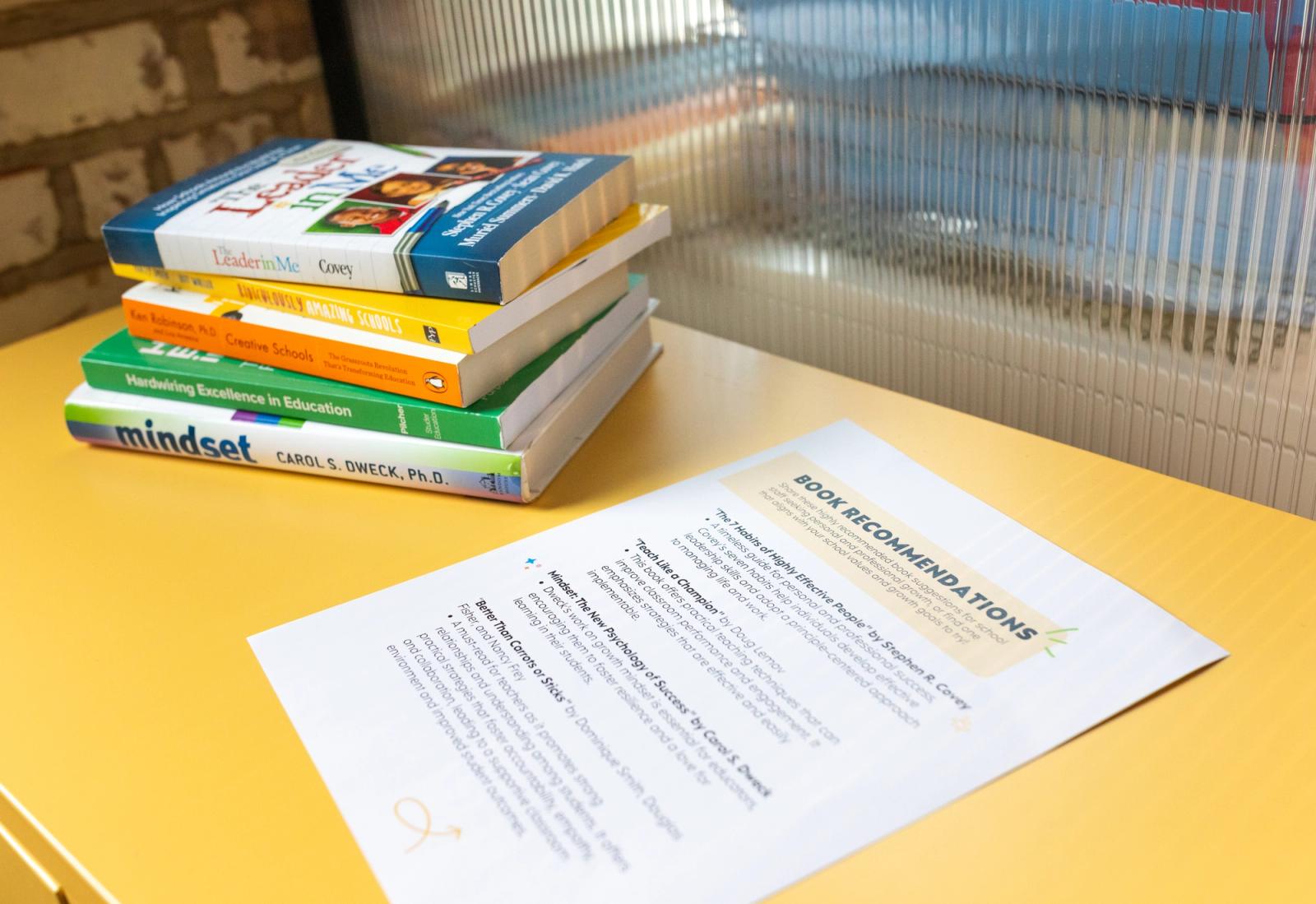
Staff Book Club
A staff book club gives your team a low-key way to explore new ideas, spark conversation, and grow together professionally.
20-30 min
A practical guide for leading goal-setting conversations that help staff grow, stay focused, and feel supported all year long.

A practical guide for leading goal-setting conversations that help staff grow, stay focused, and feel supported all year long.
Why try it
When staff set clear goals, they show up with more intention. This guided SMART goals session gives your team a structured way to think about what they want to achieve, professionally or personally, and break it down into steps that feel doable.
Goal setting done well builds a culture where growth is expected and celebrated. When you make space for these conversations, staff feel seen as professionals with ambitions worth supporting, not just employees with tasks to complete.
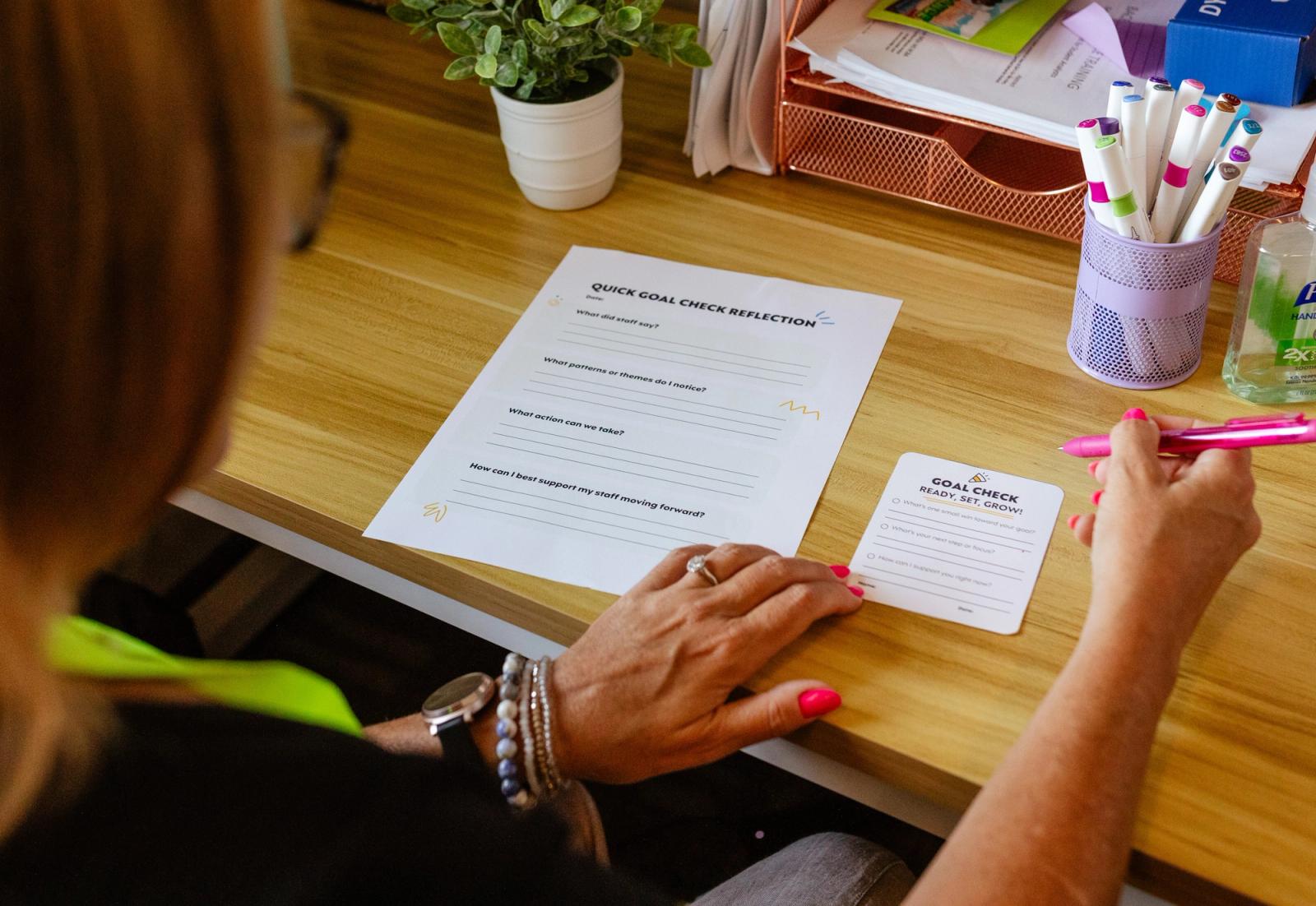
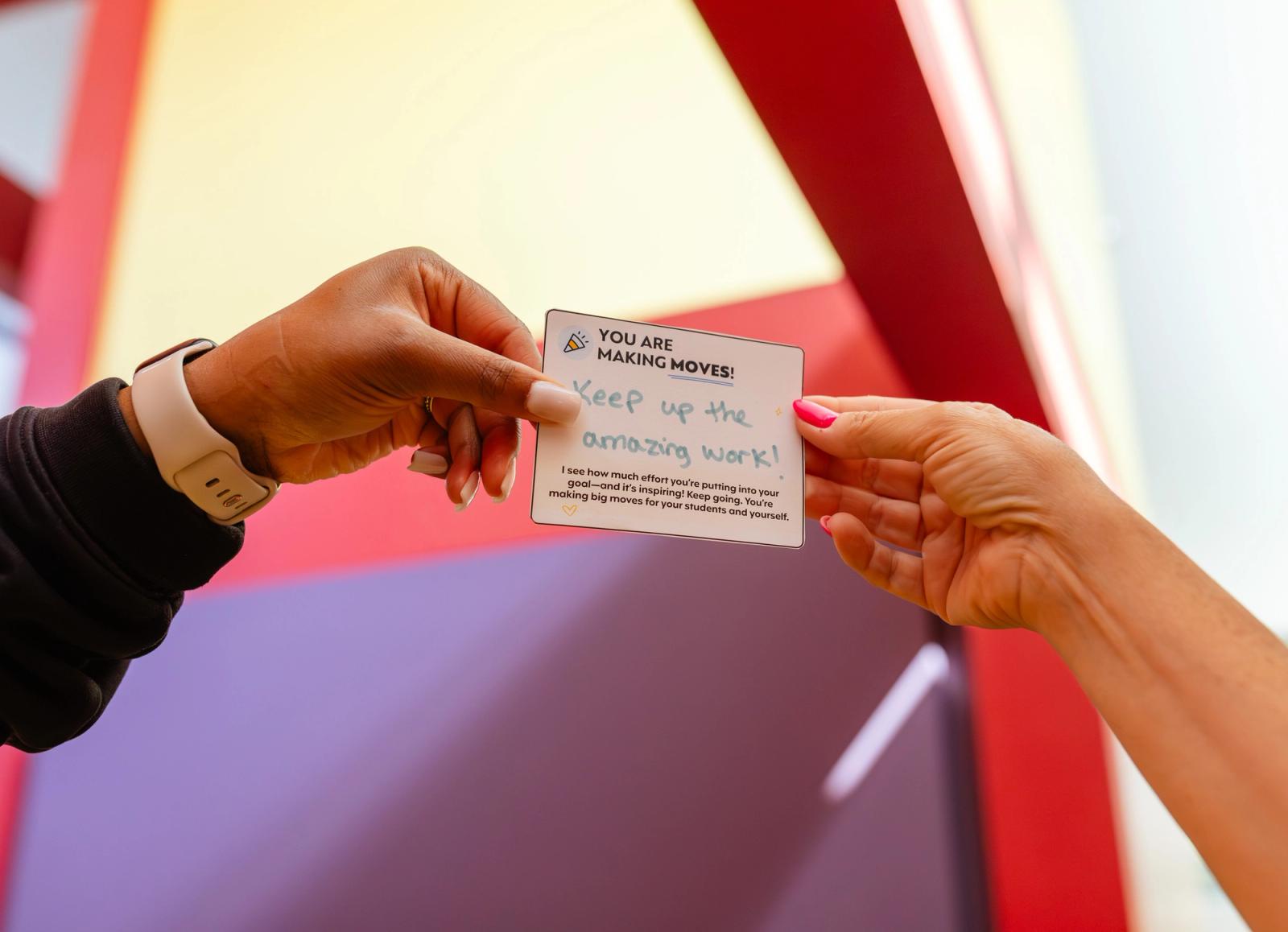
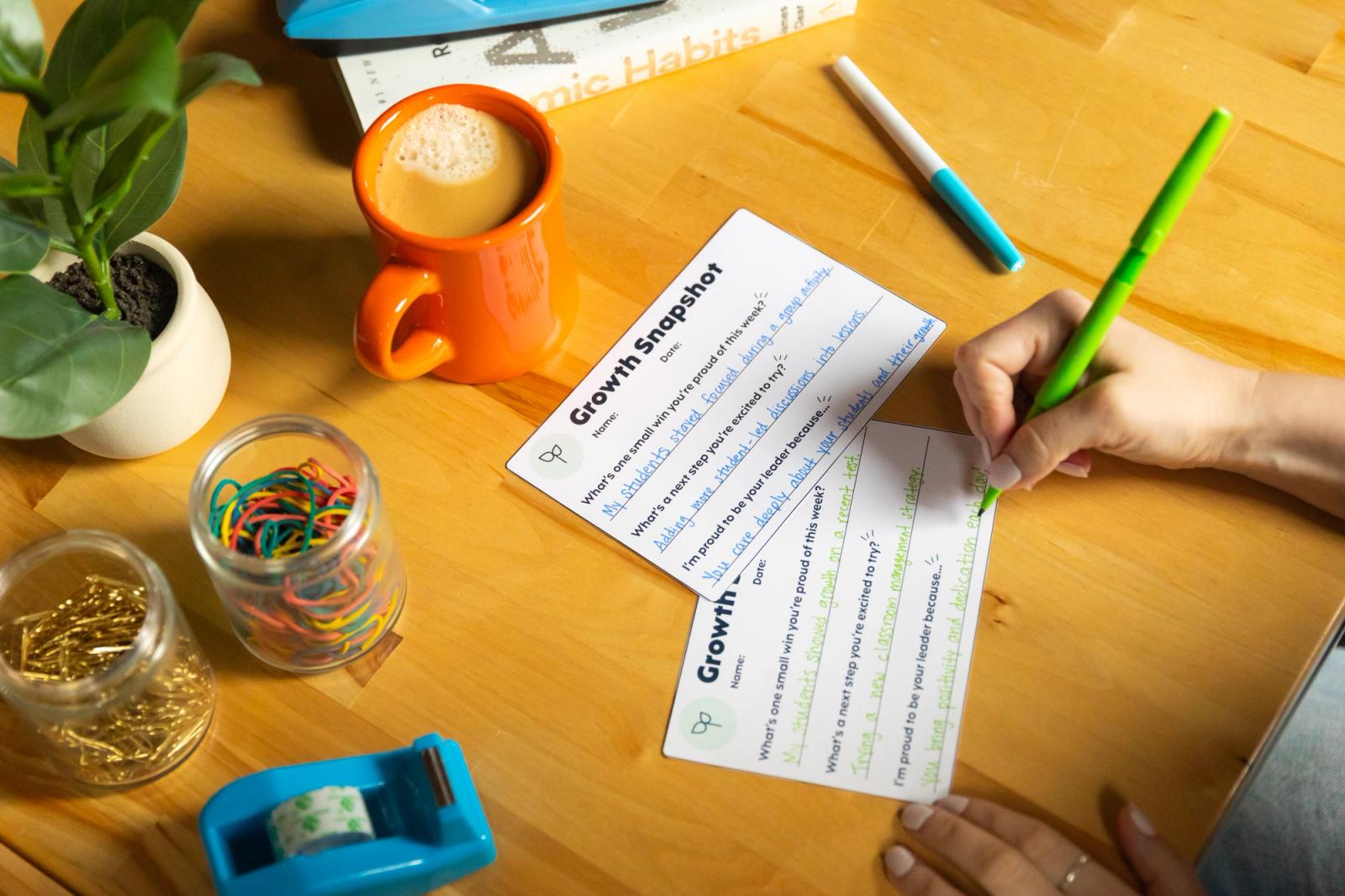
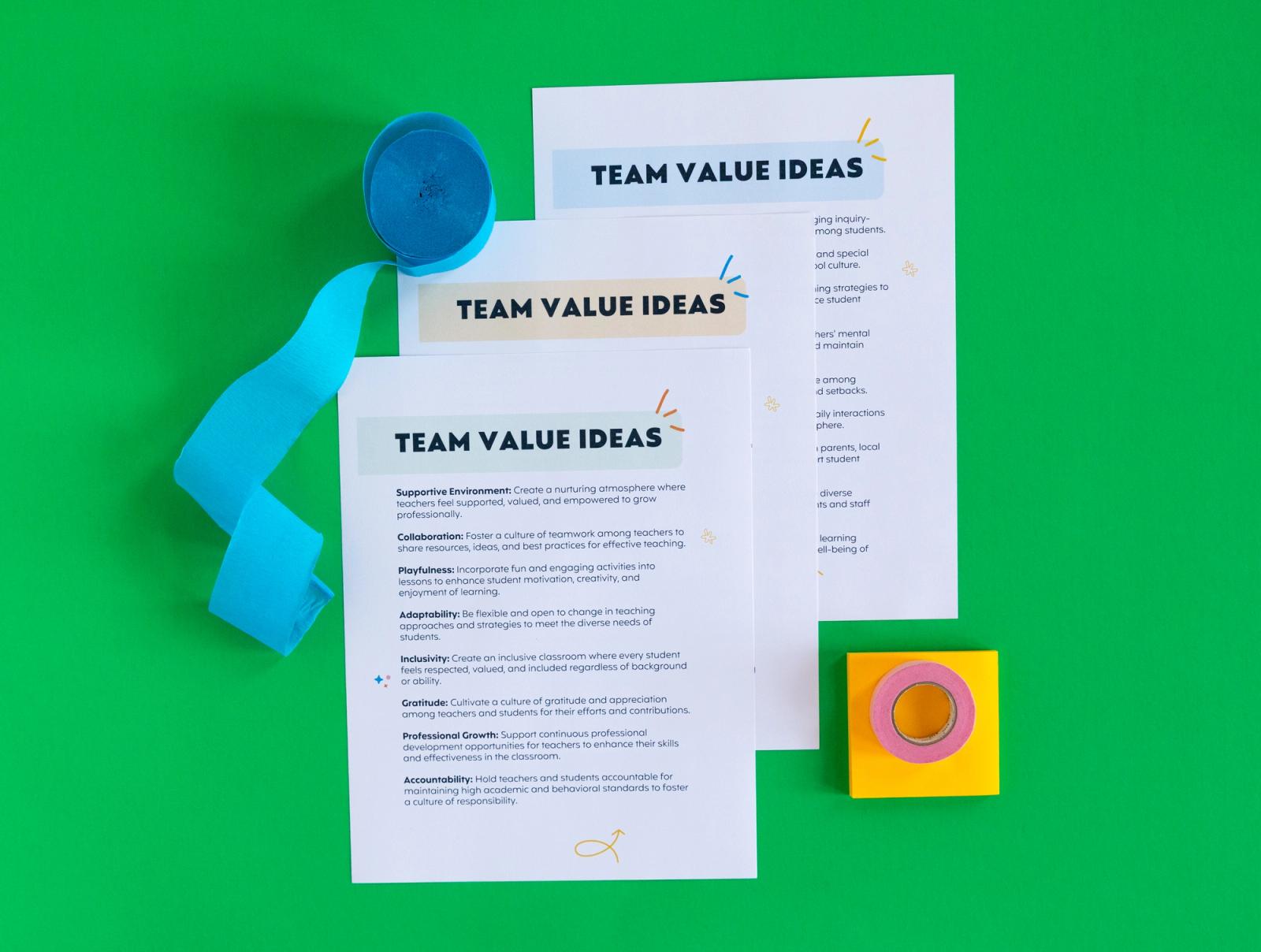
Browse the printables included with this resource.
Instructions
Set the stage
Give staff a heads up the day before. Ask them to arrive with one goal in mind. The session runs smoother when people aren't starting from scratch.
Walk through the framework
Send a quick message to staff a day or two before letting them know they'll be setting SMART goals. Ask them to come with one or two goals in mind, personal or professional. It saves time and makes the conversation more focused.
S – Specific: What do you want to achieve?
Ask staff to name their goal clearly, using the five W's as a guide. Who is involved? What exactly do they want to accomplish? When and where does it take place? Why does it matter to them?
M – Measurable: How will you track your progress?
Encourage staff to think about what success looks like in concrete terms. How will they know things are moving in the right direction? What would be noticeably different for them or their team?
A – Achievable: How can you accomplish this goal?
This is where staff check in with reality. Do they have the resources and capacity to make this happen? Are there skills they'll need to build along the way? Who could they lean on if it gets hard?
R – Relevant: Will this goal move you forward?
Help staff connect their goal to something that genuinely matters to them. Is this the right time to pursue it? Does it align with where they want to go professionally or personally?
T – Time-based: When do you want to accomplish this by?
A goal without a deadline is easy to defer. Encourage staff to set a target date and identify a few check-in points along the way to track how things are going.
Give staff time to write
Hand out the printable SMART Goals template and give staff 10–15 minutes to work through it independently. Circulate, check in, and share a goal of your own. Once most people are done, invite anyone who wants to share their goal with a partner or the group.
Check in later
The session is just the starting point. Build in a follow-up a few weeks or months later. Ask how things are going, celebrate progress, and offer support where it's needed.
Activity variations
Adapt to fit your school's vibe, budget, and setting.
One-on-one version
Use the SMART framework during individual check-ins or coaching conversations. It's a natural structure for any goal-setting meeting with a staff member.
New school year edition
Run this activity at the start of the year as part of back-to-school professional development. Pair it with a team-wide sharing moment so staff feel connected to each other's growth.
Mid-year reset
Bring the template back at the semester mark and invite staff to revisit, adjust, or set a brand-new goal. Progress checks are just as valuable as the original goal-setting session.
Go deeper
Additional tips for running this resource.
Leader Tip #1
Go first
Share one of your own goals, personal or professional, before asking staff to write theirs. It sets the tone and builds trust.
Leader Tip #2
Celebrate the small stuff
When you check back in, acknowledge progress at every stage. Finishing a hard semester with the goal still intact is worth recognizing.
Built by Educators, for School Leaders
This resource was created in collaboration with passionate educators and school leaders who believe in the power of intentional connection.
Alissa Christensen
Head of Customer Success
Join 15,000+ school leaders finding their next little win.